
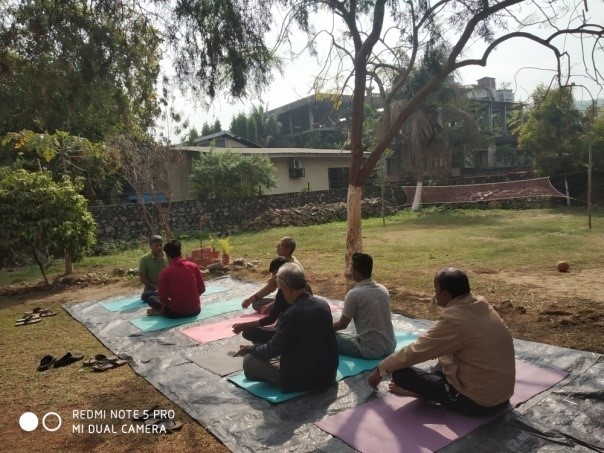
Treatment requires a 3 month minimum commitment that is designed with three phases in mind: Detoxification, De-addiction and Rehabilitation. Detoxification under medical care and a regimen of medicines takes care of the physical craving that an addict has when he has withdrawals from stopping the ingestion of the drug of his choice. Once stabilized, he enters the 12 Step program and a structured routine which is designed from a whole-person recovery model incorporating physical wellness, mental clarity and spiritual reconnection.
The post acute withdrawal symptoms are supported through various inputs, group discussions, one to one counseling, time management, yoga, meditation, therapeutic duty, and prayers. The final phase of treatment is an attempt to explore and probe the personal issues of the patient to help reintegrate him to his environment whether it be family problems, marital or career issues, education, or legal concerns, to name a few. CSAPC assists patients in goal setting and helps patients gain an understanding of the processes involved in addiction.
A Relapse Prevention Plan is explained along with the understanding of the process of relapse and triggers which may goad one into relapse. The treatment is basically to offer a protective environment to the addict to undergo an intense period of self analysis. The goal is sustained recovery which the addict has to attain through self help and a total lifestyle and behavioural change.

Some clients have extended stays depending on the progress in understanding the problem, its acceptance, and the various layers of denial which exist in the psyche of the individual. Others participants are kept back on extension as After-care patients with graded responsibilities and more freedom of movement as a means to reintegrating themselves to their environment.
Mindfulness
It’s a pretty straightforward word. It suggests that the mind is fully attending to what is happening, to what you are doing, to the space you are moving through. That might seem trivial, except for the annoying fact that we so often veer from the matter at hand. Our mind takes flight, we lose touch with our body, and pretty soon we’re engrossed in obsessive thoughts about something that just happened or fretting about the future. That makes us anxious. Through various practices in rehab, addicts are made conscious of the ‘Now’ and to sail through recovery “one day at a time.” They learn to be more conscious of their present, more in control of their impulsive nature, more focused the work ahead for themselves. Mindfulness is the basic human ability to be fully present, aware of where we are and what we are doing, and not overly reactive or overwhelmed by what is going on around us.
Co-Dependency and Family Therapy
The loved ones in an addict’s family, be they parents, spouse, children, are equally affected by the progress of the individual when addiction is present. In their helplessness they react and respond to the addict in ways which fill them with similar negative traits. They also need to understand the complexity of addiction, they need therapy to regain stability, and be a support to the addict in his lifelong journey in recovery. This is imperative because addiction is not curable but it can be treated.
Concurrent dual disorders
Most of the psychiatric problems addicts experience are enhanced due to the compulsive obsession with their drug of choice and continued use of this drug despite the harm it causes. However, there are some addicts with inherent psychiatric disorders which need to addressed along with their addiction. As a result, dual diagnosis and treatment are conducted together.
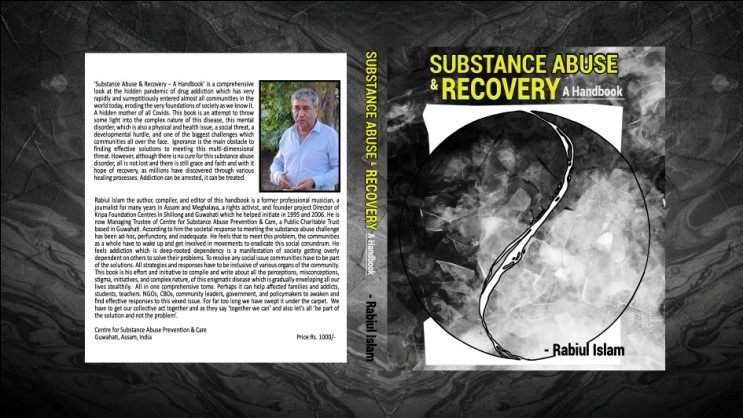
Literature on addiction
Despite the seriousness of the substance abuse threat in India there is very little literature to spread awareness and knowledge about this vexed problem. However, there are a long list of books and booklets of Alcoholic Anonymous (AA) and Narcotic Anonymous (NA) which play a vital role in rehabilitation centres around the country.
The Importance Of Spirituality In Recovery
It doesn’t matter what your purpose is or what connections you have beyond yourself. Reconnecting with yourself on a spiritual level can provide the mental and emotional support that is so essential to a successful journey of recovery. Spirituality in addiction recovery can be a vital component of healing, but it is often misunderstood by those who are new to the recovery process.
So what is spirituality, how can it be incorporated in addiction recovery, and what evidence is there to support it? By exploring these questions, you can come to better understand the value of spirituality in addiction treatment and seek out the care you need to create true transformation. A study explored the relationship between an individual’s level of faith and spirituality and addiction recovery success. It was found that recovering individuals have statistically greater levels of faith and spirituality than those continuing to relapse; also that relapsing individuals show significantly lower levels of spirituality than those in recovery. Individuals who value spirituality take the time to reflect on their daily activities and ultimately build lasting memories of their experiences. Because spiritual people are more conscious of small, daily activities, they experience positive emotions associated with the smaller pleasures in life.

Yoga & Meditation – Powerful Tools in Recovery
Substance use disorder is an ever-increasing national and worldwide problem. A recent study showed that nearly 27 million people on the planet suffer from alcohol and drug problems, including both illegal and legal drugs, alcohol, and cigarettes. Over the last century, tobacco use in particular has claimed more than 100 million lives, with millions still smoking each year. Relapse rates are equally shocking—as high as 80 to 95 percent over a 12-month period. These are humbling statistics that healthcare providers, legislators, and individuals are faced with addressing, as we collectively navigate the challenges of addiction. Yoga and meditation, with their stress-reducing effects and ability to provide people with tools for self-regulation and self-management, are potentially useful
practices to navigate the painful and often deadly waters of addiction.
With the growing amount of research on yoga and meditation, scientists have begun to articulate theories on why these practices might specifically help people in recovery from addictive substances. The documented benefits of meditation dovetail nicely with the challenges of addiction. Addiction has two components: the physiological and mental cravings for a substance, and the ability of the individual to tolerate, rather than acting on, those sensations. Meditation and yoga have the potential to provide relief from both of these factors, by offering tools to down-regulate the stress response system and by increasing our capacity to observe our experiences with a greater sense of equanimity.
Relapse Prevention Plan
One of the biggest obstacles and fears in recovery is the looming possibility of a relapse. In Rehabilitation Centres, treatment staff try and prepare patients for it by walking them through the potential causes and signs to be aware of when facing what could trigger a relapse. This guidance is extremely helpful but nothing can fully equip someone for when they face a reality situation full of triggers, both emotionally and mentally. A relapse is when an addict returns to using alcohol/drugs after a period of being clean or in sobriety. A relapse can be a detrimental and deadly affair with devastating consequences. The word relapse stems from the Latin meaning to slip back. This is used as a description for someone who has been sober and fell back into their substance abuse problem again. Relapse can’t be contained to one single event. We must understand that relapse is a process, it is not an event. It is an ongoing process that is experienced by a person in recovery and marked by significant red flags or warning signs. These warning signs if ignored can cause a person to return to their drug of choice or alcohol abuse. A Relapse Prevention Plan (RPP) is a great tool that can be used to recognize and manage the warning signs of relapse to sustain a healthy, sober, lifestyle. An RPP helps minimize the damage and quickly gets you back on track if you do.

The 12-Step philosophy
This healing therapy pioneered by Alcoholics Anonymous is used by about 74 percent of treatment centres. The basic premise of this model is that people can help one another achieve and maintain abstinence from substances of abuse, but that healing cannot come about unless people with addictions surrender to a higher power. One of the most well-known and commonly used types of recovery support is the 12-Step model. Just about everyone has heard of these meetings or of the organization that originated the idea. Recovery Using the 12 Steps, following the model assists an individual by helping build the following mental and emotional transformative practices and tools:
- The ability to recognize and admit that one is experiencing an addiction problem. A surrender to the fact that the addiction exists and a decision to seek control through an outer guide
- Self-observation and awareness of the behaviours that were part of and arose from the addiction, as well as those that help promote self-restraint
- A chance to practice that restraint and build self-esteem in one’s positive capabilities
- Achievement of self-acceptance and the ability to change behaviours
- Compassion, both for those who have been affected by the addiction and for others who similarly struggle with addiction
- Tools that make the process a continual practice throughout the individual’s life
By providing these experiences and tools, the 12-Step model can be a method for change in many types of behaviour. As a result, it can help individuals who wish to overcome addiction to find a path to recovery.
 CSAPC: Centre for Substance Abuse Prevention & Care